
A Guide to Monolithic Column Channel Sizes
In the field of chromatography, selecting the appropriate channel size for monolithic columns is vital for balancing dynamic binding capacity and backpressure during operation. This decision can greatly influence the efficiency and effectiveness of your purification process, particularly when handling complex biological samples.
Understanding Channel Size Options and Their Impact
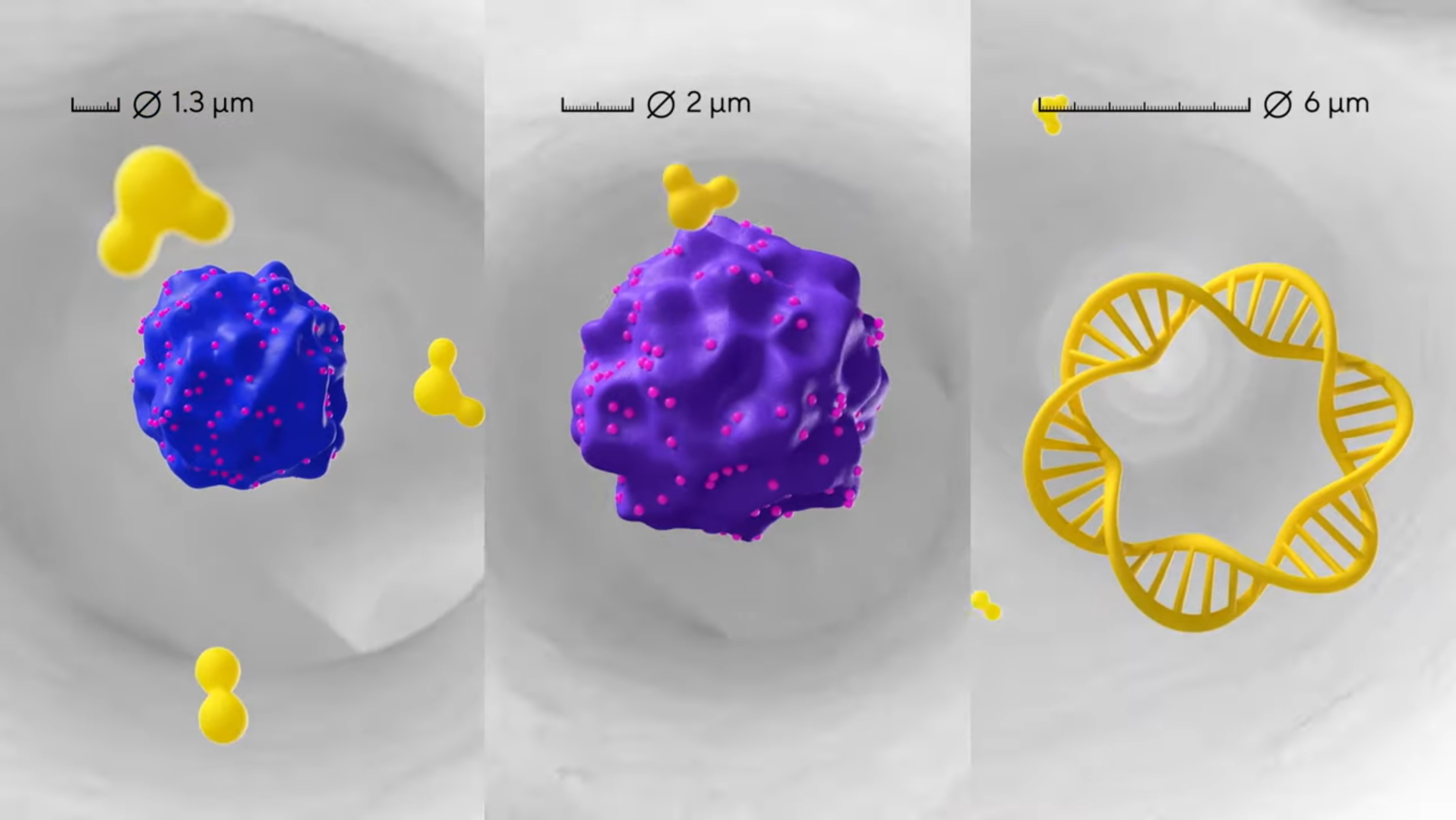
Monolithic columns come in various channel sizes: 1.3 micrometers (μm), 2 μm, and 6 μm. A monolith with a 2 μm channel size offers approximately 2-3 times the binding capacity compared to a 6 μm channel size, thanks to the increased surface area available for interaction with target molecules. On the other hand, monoliths with 6 μm channels experience backpressure that is roughly eight times lower.
Choosing the Correct Channel Diameter
Selecting the right channel diameter is crucial for achieving a balance between binding capacity and backpressure. This choice largely depends on the sample size and the specific stage of the purification process.
- 1.3 μm Channels: Ideal for protein applications.
- 2 μm Channels: Suitable for applications involving viruses, exosomes, bacteriophages, deoxyribonucleic acid (DNA), and messenger RNA (mRNA).
- 6 μm Channels: Best for larger biomolecules, such as vaccinia virus and larger plasmids, also when used in the initial capture step of purification or as an alternative to 2 μm channels when an even higher speed of the chromatographic step is important.
To optimize column performance, the channel size should ideally be about ten times larger than the diameter of the target molecule. This general guideline may have exceptions based on empirical data and experience.
Practical Recommendations for Channel Selection
Selecting the appropriate channel size ensures the success and reliability of your chromatography applications. Here are specific applications where different channel sizes can be effectively utilized:

Capture of virus particles
6 μm channels are commonly used for capture steps, especially when replacing traditional tangential flow filtration (TFF) methods. However, there is a certain degree of flexibility with biological materials, and certain applications can be performed with 2 μm channels as well.
Polishing of virus particles
If the size of the product allows, we usually recommend 2 μm channels for polishing step

Capture of plasmid DNA (pDNA) using CIMmultus DEAE
For plasmids up to about 8 kilobase pairs (kbp), a 2 μm channel is recommended. Larger plasmids benefit from 6 μm channels.
Polishing of plasmid DNA (pDNA) using CIMmultus C4 HLD
For all plasmid sizes 2 μm channels are recommended.

Capture and polishing of RNA species
2 μm channels are recommended.

Polishing of lipid nanoparticles (LNPs)
6 μm channels are recommended.

Large viruses
For viruses like vaccinia, a 6 μm channel diameter may be optimal across all purification stages, including capture, intermediate, and polishing steps.
Seamless Transition: From Screening to Production
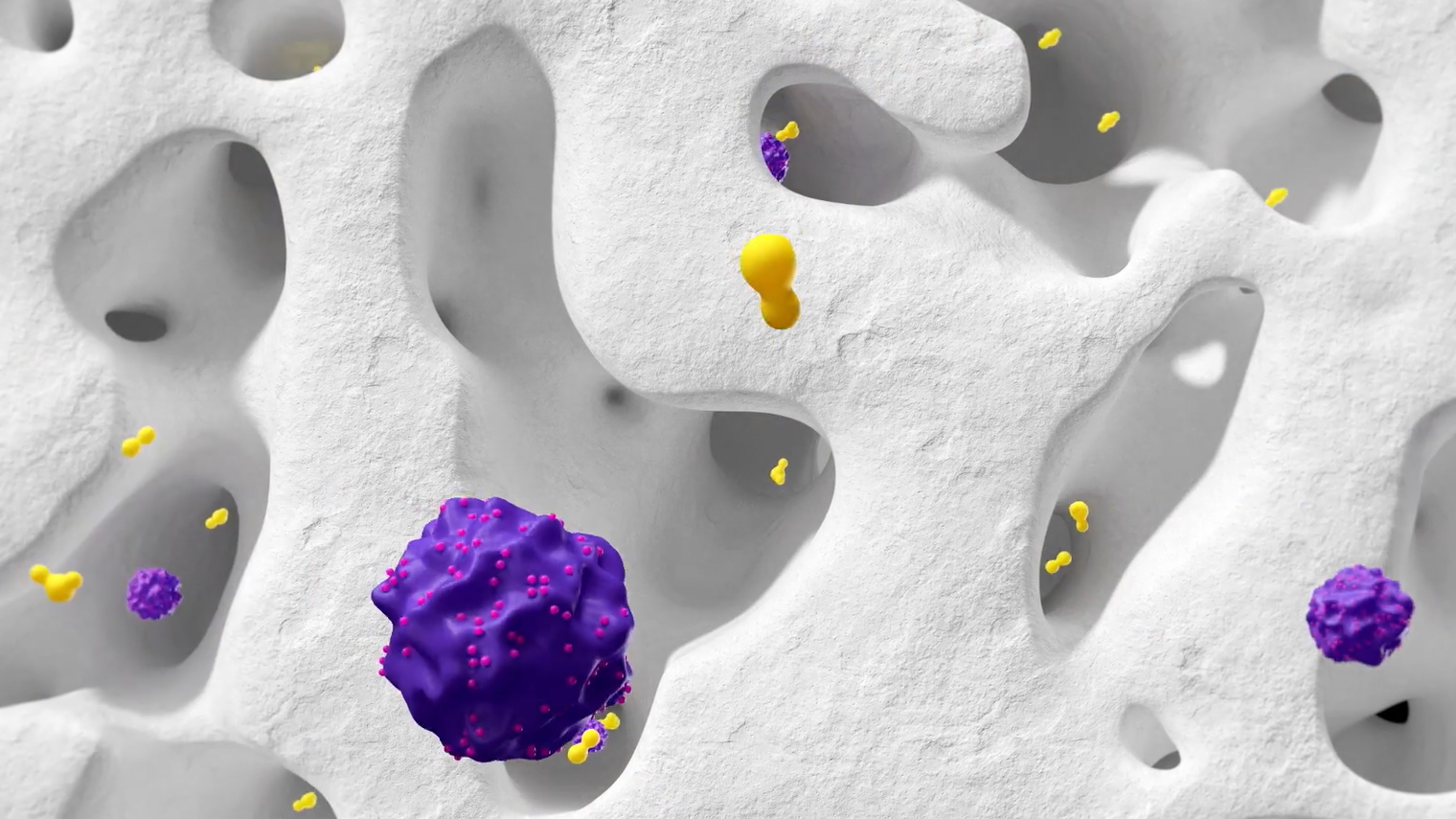
The core of our chromatography offering is the same CIM® Monolith technology across all formats. The channel size and ligand you choose during initial screening are exactly what you will use in full-scale manufacturing. Whether you are working with CIM® Monolithic Well Plates, CIM® Octa miniaturized columns, or CIMmultus® preparative columns, the channel morphology never changes. This consistency allows you to scale your process smoothly and predictably, from the first screen to the final purification.
Explore our ProductsRelated Posts
Optimizing AAV Processes: Strategies for Effective Purification and Analysis
This blog post addresses the challenges in AAV purification and analytics, highlighting the scientific approaches to enhance product quality
How to Use CIM Monolithic Well Plates?
Practical Application of CIM Monolithic Well Plates Operating CIM Monolithic Well Plates With Vacuum Operating CIM Monolithic Well Plates With Centrifuge Operating CIM Monolithic Well Plates With Positive Pressure Manifold...
The Ease of Method Screening & Process Optimization
CIM monolithic well plates offer fast and efficient chromatographic parameter evaluation in early process development with easy scale-up.
Using Multi-Well Plates When You Have Limited Samples
How to use just a part of the well-plate with a vacuum manifold, positive pressure manifold or centrifuge without wasting your sample