Downstream Processing of pDNA
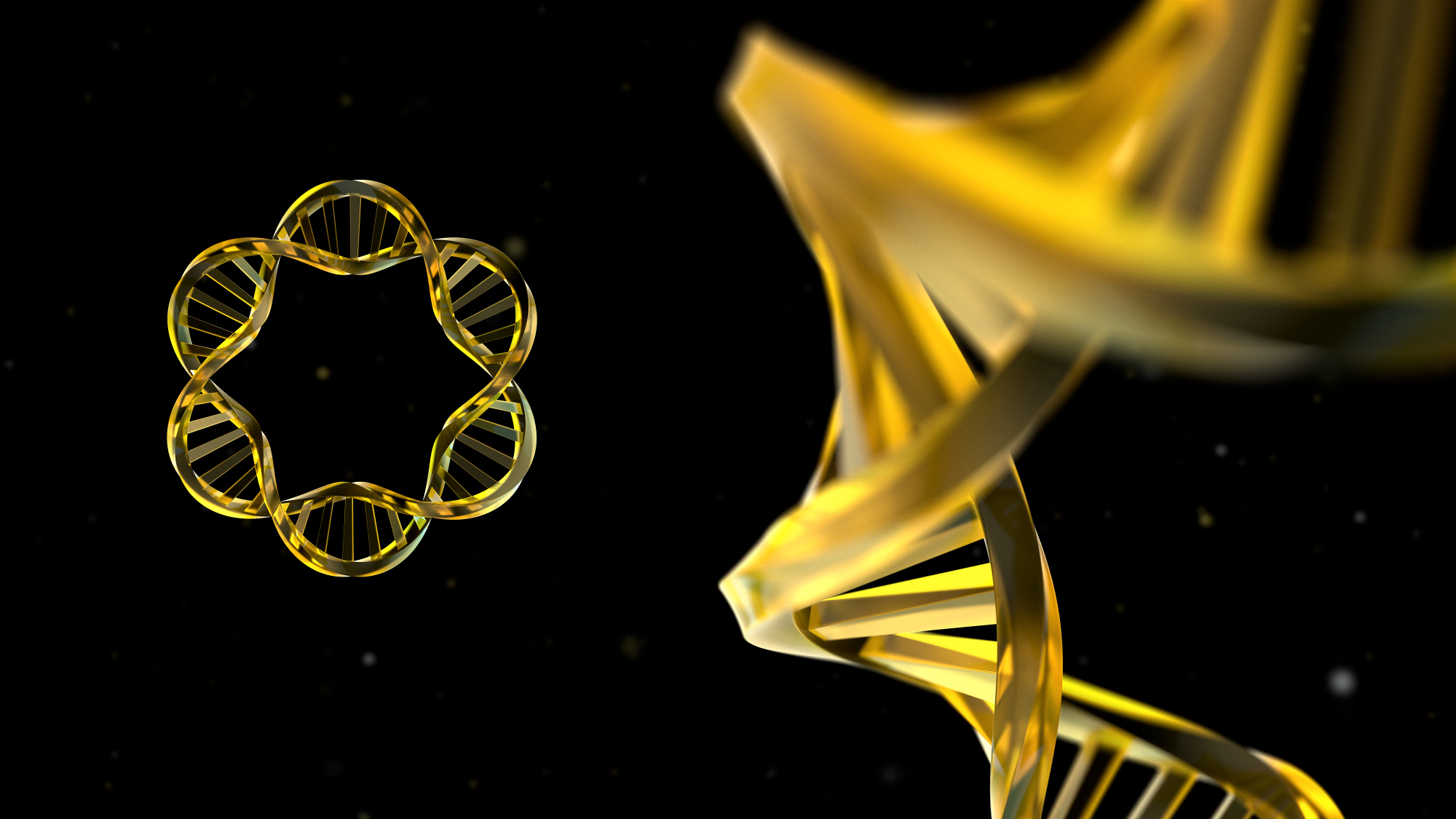
Plasmid DNA (pDNA) are circular supercoiled molecules of DNA found naturally in bacteria. Purified engineered plasmid DNA vectors are a critical raw material used in production processes of advanced therapeutics, such as adeno-associated viruses (AAV), lentiviral vectors, and for production of messenger RNA.
This page covers:
- pDNA Production Process
- Purification of pDNA
- Purification Tools
- Analytical Tools
- Process & Analytical Development Services
- Resources
The gene of interest is inserted into a pDNA vector and introduced into host bacteria (typically E.coli), which replicate and generate copies of the plasmid. The cells are harvested and lysed, typically by a process of alkaline lysis, to release the pDNA. The lysate is clarified and subjected to purification to remove host-cell components and product-related impurities.
Due to the consistent nature of plasmid production, purification is achieved with a platform process which employs chromatography and tangential flow filtration to achieve high purity and formulation of the desired form of plasmid DNA (e.g. supercoiled pDNA for transfection or linear pDNA for in vitro transcription).
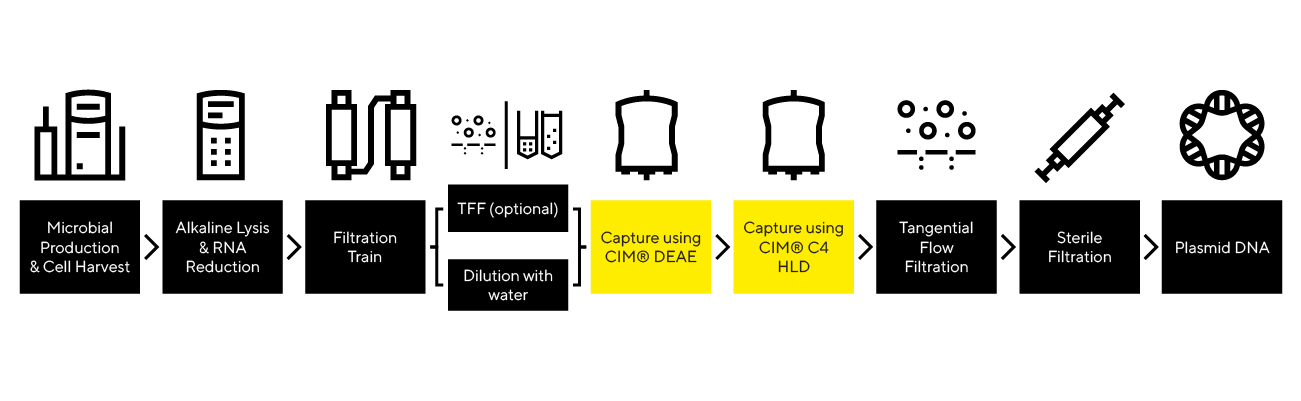
The bacterial lysate is composed of plasmid DNA along with host-cell impurities and other contaminants. Isolation of plasmid DNA requires removal of host cell RNA, host cell protein, genomic DNA, endotoxins, as well as unwanted isoforms of the plasmid DNA. Due to similarities with the target product, reducing RNA and genomic DNA is often favoured before chromatography. This is achieved through a controlled lysis step.
Purification of pDNA
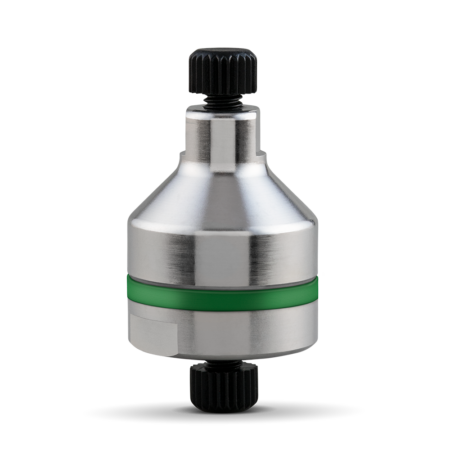
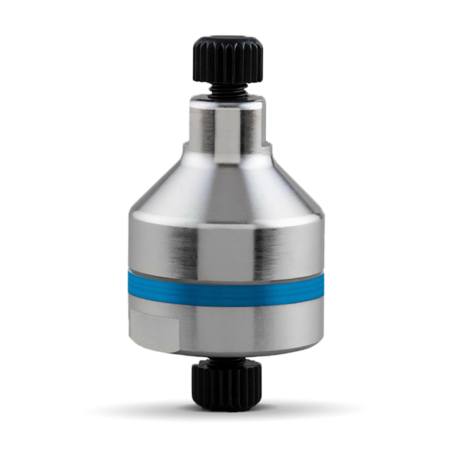
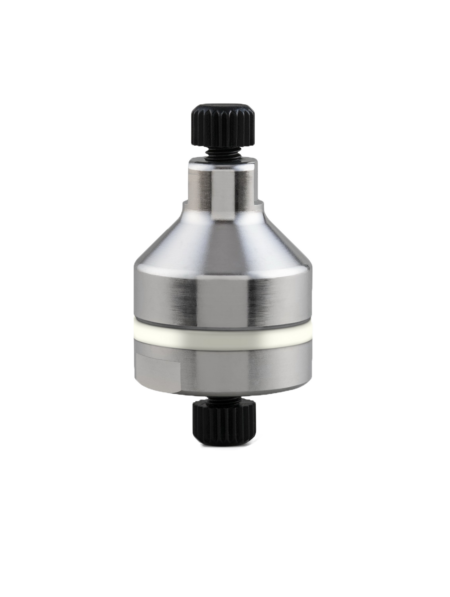
Chromatography consists of two steps. Initially, anion exchange chromatography (CIM® DEAE) removes process related impurities (derived from the host cell). In the second step, hydrophobic chromatography (CIM® C4 HLD) polishes the sample to remove residual contaminants and, most critically, endotoxins, and undesired plasmid DNA isoforms.
Production of viral vectors (e.g. AAV) or self-amplifying RNA requires plasmids exceeding 20 kbp in size. Purification of large plasmids represents a particular challenge for traditional chromatography media. CIM® monoliths with 6 μm channels overcome pressure and entrapment to achieve high throughput and high purity of plasmids used in these applications.
Production of messenger RNA and self-amplifying RNA requires linearized plasmid DNA. The process outlined can be combined with enzymatic restriction of plasmid DNA to purify linear DNA.
Why Monoliths Are the Ideal Tool for pDNA
- Binding capacity up to 6 mg/mL with high product recovery
- Reusable, caustic-stable CIM® monolith allows cycling and re-use in development and in manufacturing
- Optimized polishing step reduces consumption of ammonium sulfate by up to 74 %
- Platform agnostic to size of plasmid DNA construct
The Right Tools for pDNA Manufacturing at Any Scale
Purification Tools
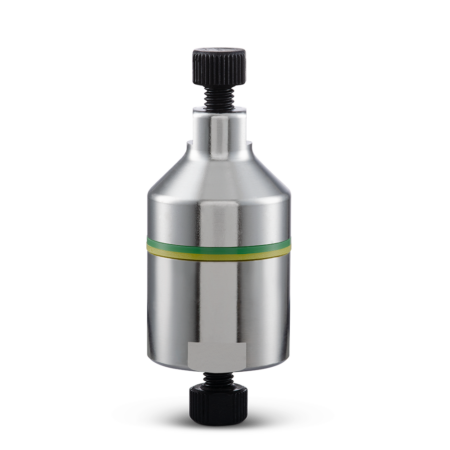
CIM® chromatography monoliths in 96-well or 24-well plate format are compatible with high throughput and automation solutions (e.g. robotic platforms). Processes can be efficiently scaled up to CIMmultus® ready-to-use chromatographic columns suitable for research grade and for GMP production of plasmid DNA.
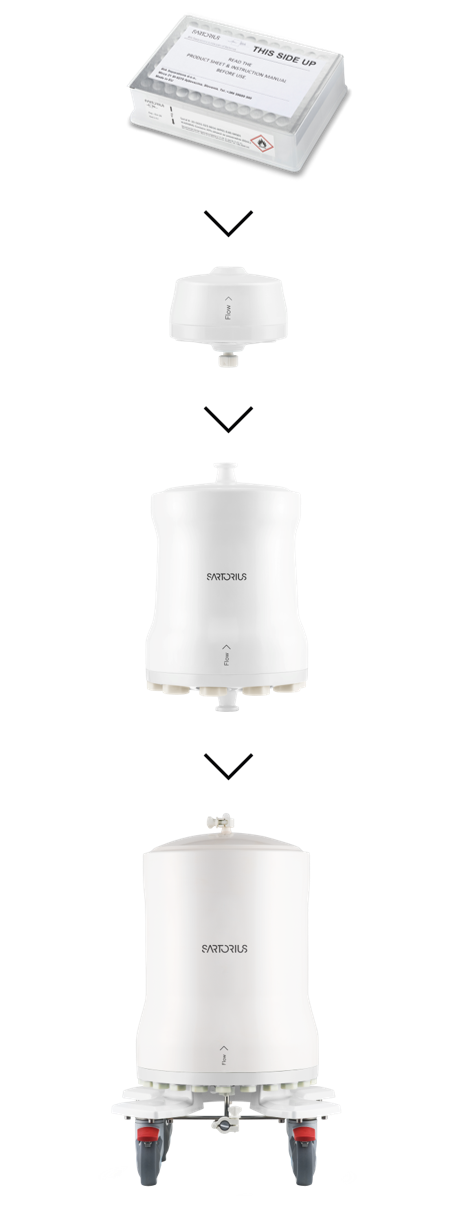
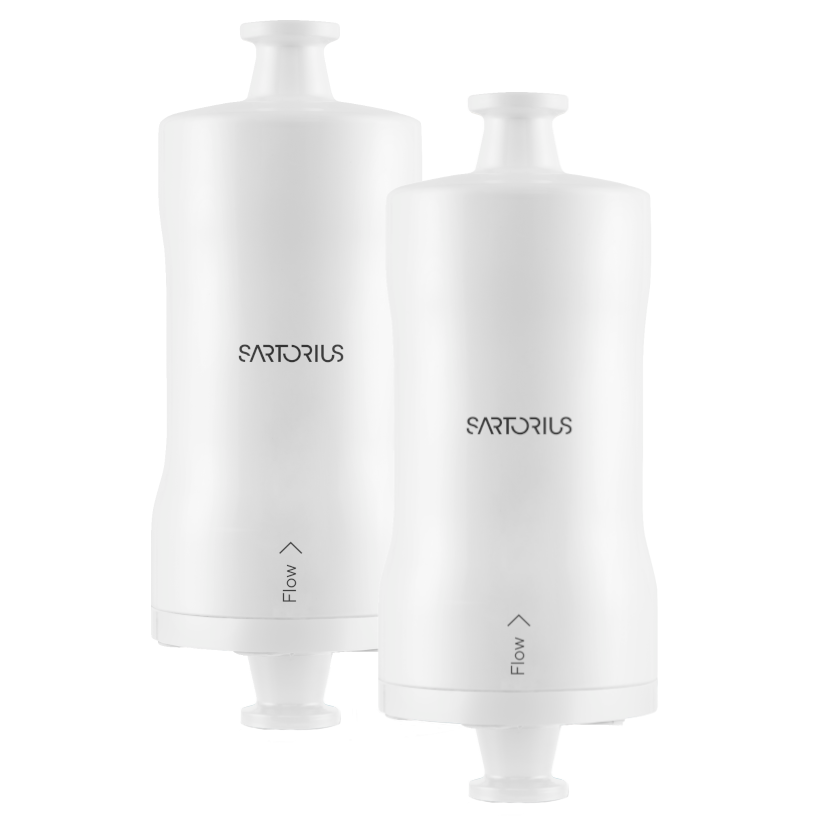
CIMmultus (RUO and GMP Compliant)
scalable from mg to commercial scale
pre-packed: 1, 4, 8, 40, 80, 400, 800 mL, 4, 8, and 40 L
Analytical Tools
Analytical chromatography can be used for quantification of plasmid DNA concentration and topology. CIMac analytical column allows fast characterisation of in-process samples from lysis to final filtration, and quality control for release of pDNA batches.
Monitor and Optimize Your Process With pDNA-Specific Analytics
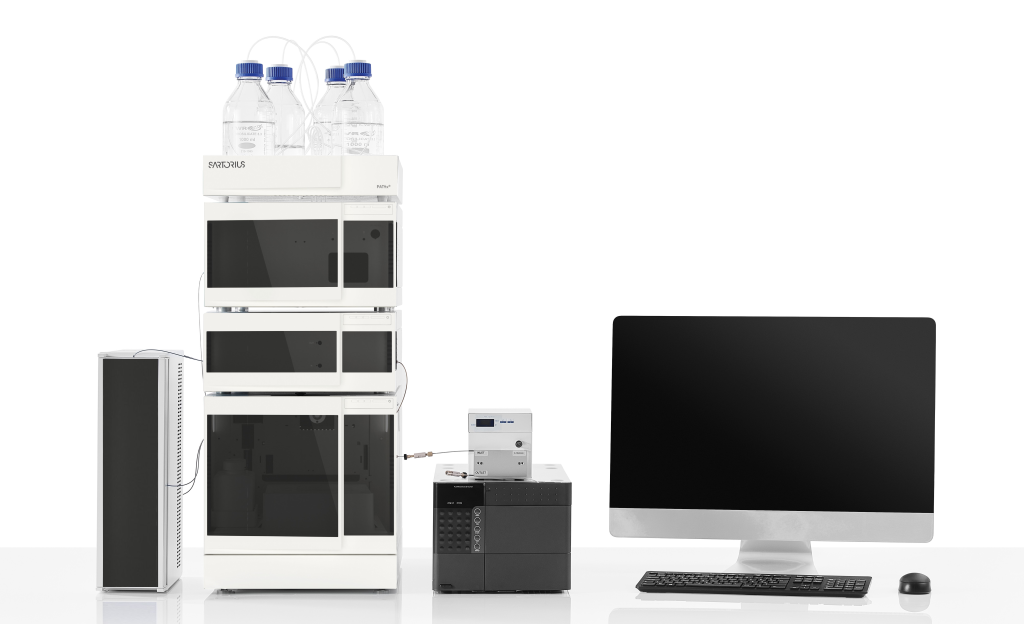
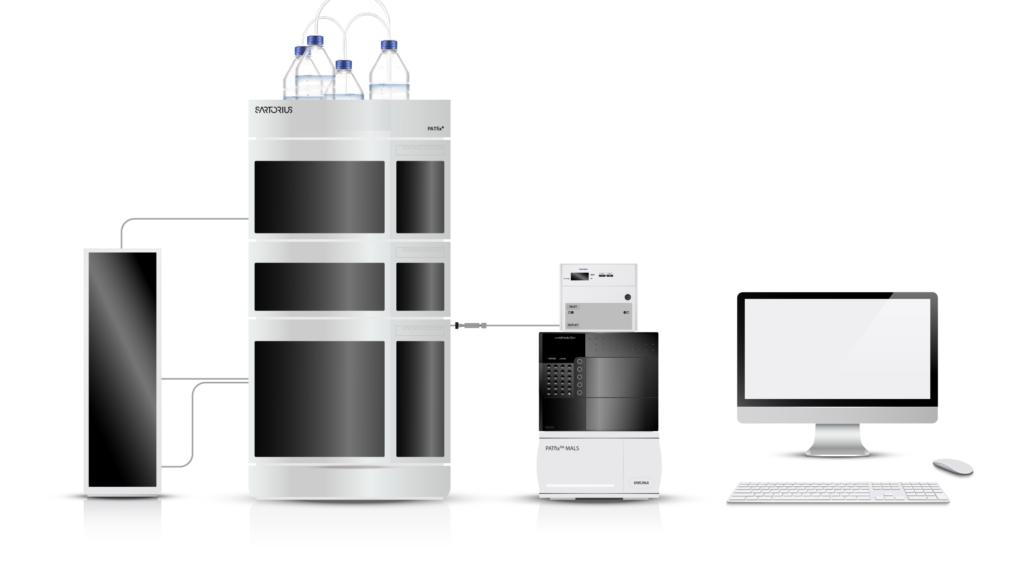
PATfix pDNA Analytical Platform combines an at-line LC system with the monolith technology and pre-validated methods. Specifically set for non-chromatography expert to run analytics in process lab in only 5-15 minutes.
- Purity and content tracking during all process steps
- Single run separation of process related impurities (RNA, protein) and product related impurities (separation of key pDNA isoforoms sc/oc/lin)
Process Development Service for pDNA
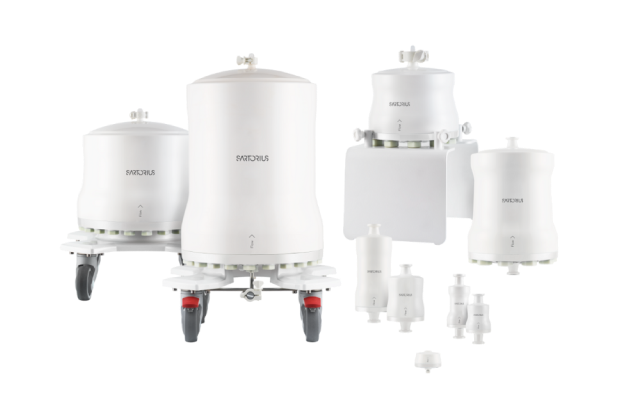
Cornerstone Process Development Services for plasmid DNA (pDNA) production support the internal establishment of plasmid production processes at customer sites, ensuring compliance with regulatory purity specifications. Development is conducted at up to 10-liter bioreactor scale, including fermentation (if required), lysis optimization at up to 10-liter bioreactor scale, clarification, TFF, chromatography, and sterile filtration.
Library
Upcoming Events
Oops, nothing seems to match.