
Integration of Different Methods for EV Analytics
Analytics of extracellular vesicles (EVs) can be difficult due to their heterogeny in size and composition and to get the full picture, different methods are employed: chromatographic with CIMac Adeno column, size exclusion chromatography, Nanoparticle Tracking Analysis (NTA), ELISA, and others.
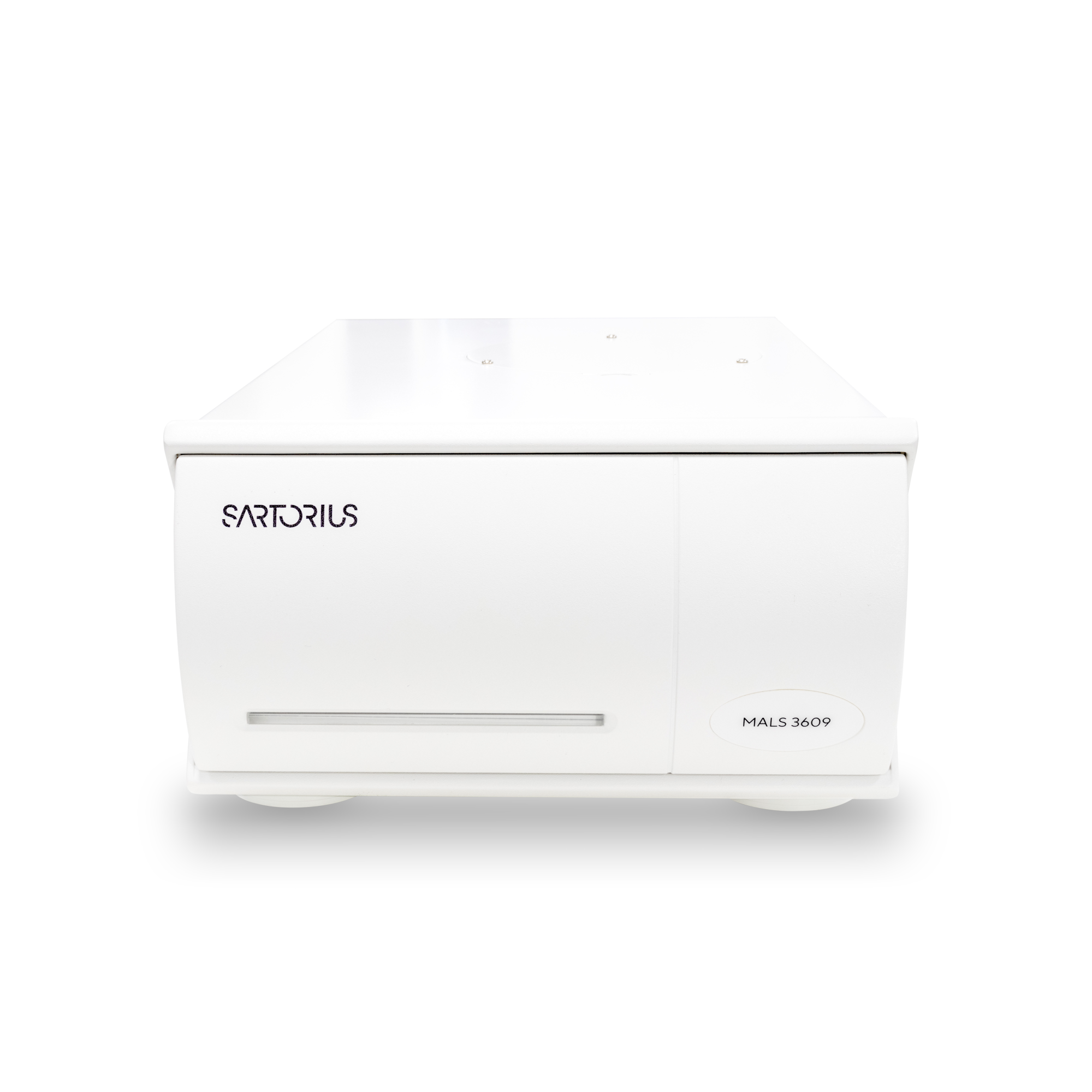
EVs’ different characteristics however can be easily monitored with PATfix’s triple-detector setup – UV, fluorescence and Multi Angle Light Scattering (MALS) detectors. The PATfix system is a powerful tool for upstream optimization and analytics. It can be used for screening raw materials, tracking EV production, and analysis of in-process fractions in downstream.
MALS gives us a valuable dimension when analyzing EVs as they absorb little UV light, which makes them difficult to track with UV detector. By employing MALS, we can overcome this limitation and effectively detect and analyze larger particles such as EVs that have minimal UV absorption. A fluorescence detector is used to track EVs that are expressing eGFP or native EVs labeled with a fluorescent dye or an antibody. UV detector gives additional information about sample composition and impurities.
More Resources:
Webinar | Chromatographic Tools for Isolation of Extracellular Vesicles and Process Monitoring Analytics
Related Products
Related Posts
Optimizing Plasmid DNA Purification with Monoliths at AstraZeneca
AstraZeneca used monolithic columns to boost pDNA purification binding capacity, maintaining product quality and high recovery.
Modes of Flow and Mass Transport
Flow patterns in chromatography media determine binding and elution efficiency, peak dispersion, product concentration, and shear stress.
Applications of Chromatography in Bioprocessing
Chromatography is a versatile tool used in bioprocessing to purify and analyse biomolecules. In our previous blog we have explored the basics of chromatography and its different types. This blog...
Room Temperature Solution for dsRNA Removal with Reverse Phase Purification
How to remove double stranded RNA for safer mRNA therapeutics, without special equipment and preserving the target molecule