
Transforming pDNA Purification: Insights from Christy Franco on VGXI's Monolith Technology Integration
We had the pleasure of sitting down with Christy Franco from VGXI, a plasmid DNA CDMO, to discuss how monolith technology has improved their pDNA purification process. In this interview, Christy shares insights into VGXI’s journey, the challenges they’ve faced with traditional purification methods, and how new technologies like monoliths are transforming their processes. We also discuss the importance of collaboration, ensuring product quality, and the future of plasmid DNA technology.

Meet the Expert: Christy Franco, Ph.D.
Christy Franco, Senior Director of Commercial Operations at VGXI, brings over fourteen years of technical and commercial experience in cell and gene therapy, fermentation process development, and genetic vaccines. With a bachelor’s degree in biomedical engineering from the University of Texas at Austin and a PhD in bioengineering from Rice University, Christy has been instrumental in supporting VGXI’s innovations in plasmid DNA manufacturing. In this interview, she shares insights into VGXI’s journey, challenges, and the transformative impact of monolith technology on their purification processes.
Christy, can you tell us about VGXI’s journey in plasmid DNA manufacturing and how it has evolved over the years?
VGXI has been at the forefront of plasmid DNA manufacturing for over 20 years, focusing on GMP production of DNA vaccines and supporting clinical trials worldwide. We’ve continually adapted our processes to meet the evolving demands of next-generation therapeutics. Our journey has involved developing extensive expertise as a pure play plasmid focus CDMO, supporting clients in clinical trials globally. We have two facilities: our flagship site north of Houston in Woodland, Texas, and our new headquarters and phase 3 commercial production site at Dyson Technology Park in Conroe, Texas.
What challenges did VGXI face with traditional membrane-based purification methods, and how did monolith technology address these issues?
Historically, we relied on membrane-based approaches for plasmid purification. However, as plasmid sizes increased, we faced challenges such as reduced yield and inconsistencies in output. The root cause was potential restriction of material flow due to pore size limitations. To address this, we collaborated with Sartorius BIA Separations to implement DEAE monolith technology, offering a range of channel sizes and scalable bed volumes. This integration allowed us to enhance our purification process, achieving significant improvements in yield and batch-to-batch consistency.
Can you share some specific results that demonstrate the effectiveness of monolith technology in VGXI’s purification process?
Certainly! With monolith technology, we observed purification yields as high as 70% for smaller 5KB plasmids and 30% for larger 13KB plasmids, compared to historical yields of 10% or less for sequences over 12KB. The ability to clean and reuse monoliths further optimized our workflows, reducing costs and supporting large-scale production. These results demonstrate the effectiveness of monoliths in processing larger plasmids, with yields significantly higher than previous technologies.
The Monolith Technology Behind the Solution
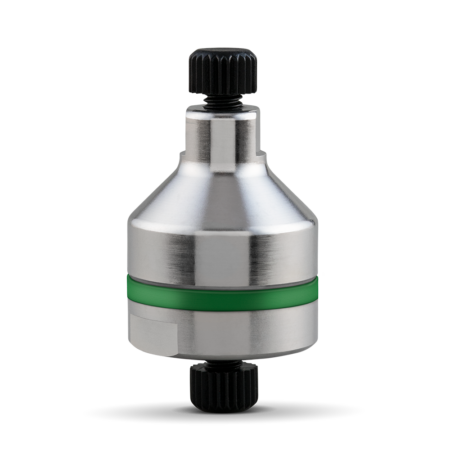
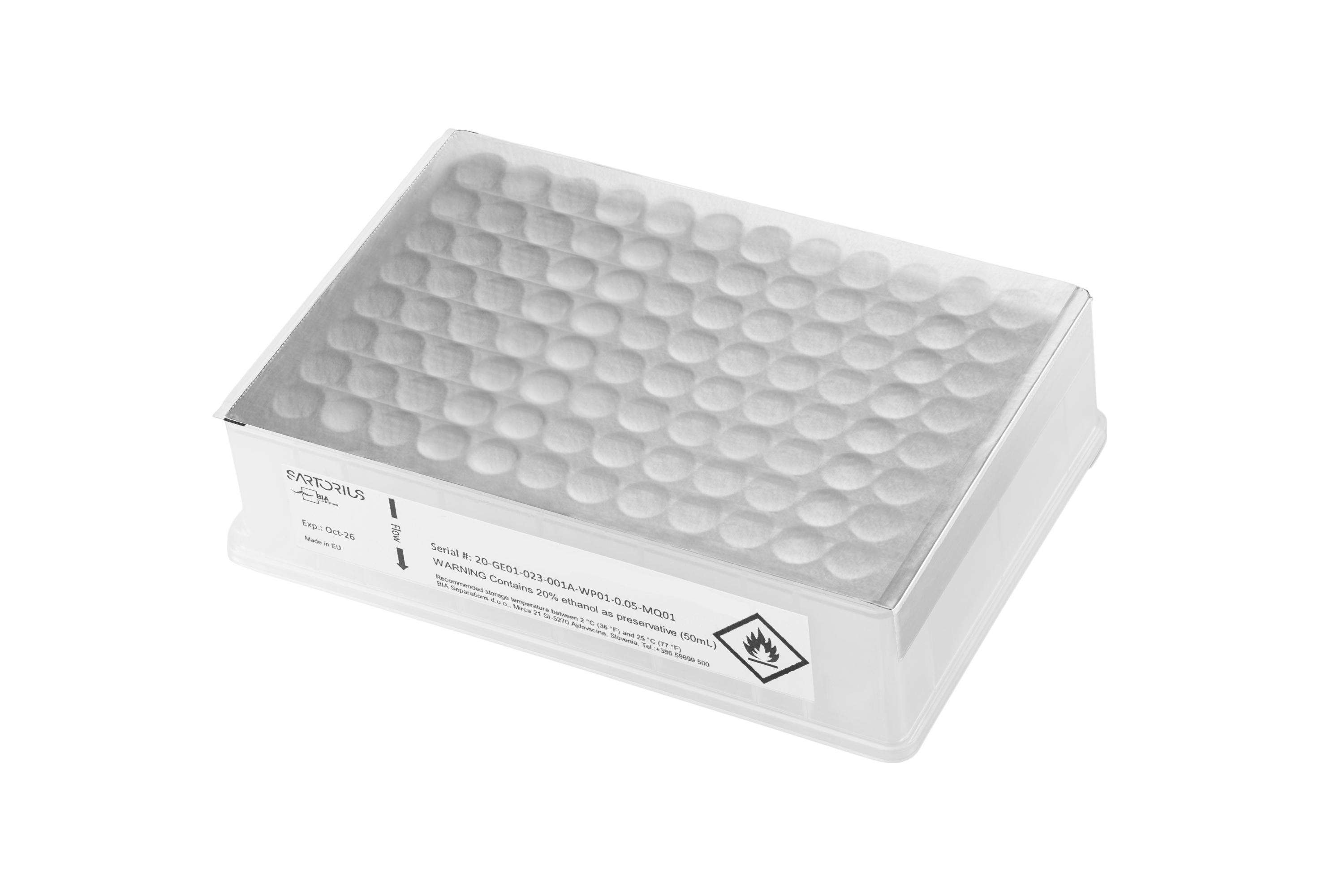
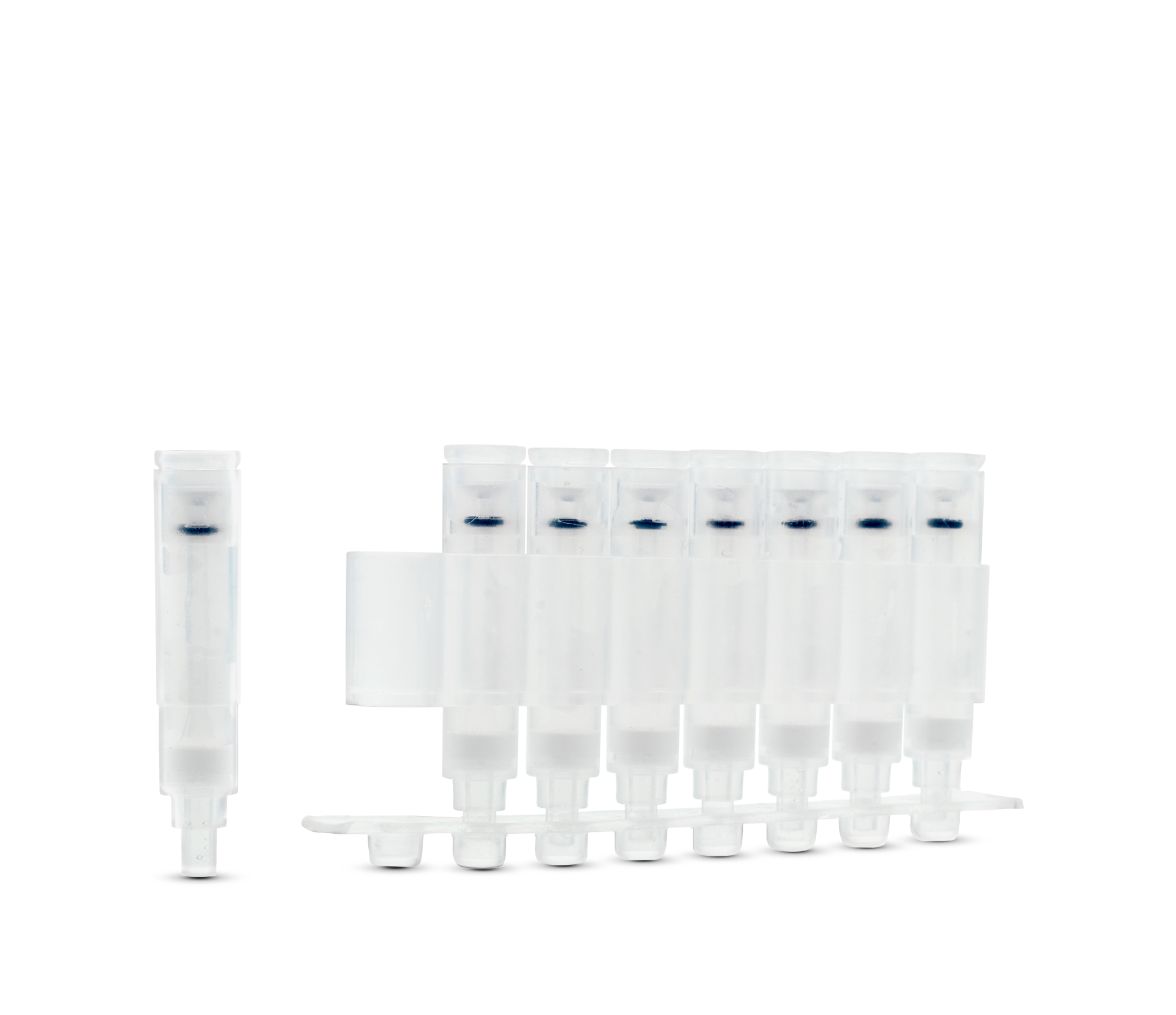
CIM® DEAE is a weak anion-exchange monolith that serves as the first chromatographic step in plasmid DNA purification, efficiently removing host-cell impurities. This technology is highly versatile, with formats ranging from CIMac analytical and CIMmultus preparative columns to high-throughput formats like CIM well plates and CIM Octa 8-in-row miniaturized columns. HiP² Plasmid Process Pack is a ready-to-use kit that features two chromatographic steps to help scientists quickly develop and transfer a robust plasmid DNA purification process from the lab to large-scale production.
How does VGXI ensure consistency and quality in its plasmid DNA manufacturing process?
A key aspect of our core services is using equivalent or the same manufacturing process, raw materials, and testing across the same full characterization panel. We expect the same specification profile on the final product. This ensures that when our clients order preclinical services, the material they’ll be testing in early preclinical studies will be representative of the GMP grade material they’ll use in later stages. This consistency is crucial for maintaining high-quality plasmid DNA manufacturing.
What advice would you give to companies looking to optimize their plasmid DNA purification processes?
It’s important to understand the challenges and get in front of them with how you approach a program. Collaborating with partners who have the right technical expertise is critical to understanding and predicting challenges to mitigate potential risks. Consider long-term goals for the clinical program and ensure scalability matches partner capabilities. Always take a collaborative approach, as this drives success and ultimately brings your product to patients in the clinic.
How does VGXI stay ahead of industry trends and technological advancements in plasmid DNA manufacturing?
We are leaders in plasmid manufacturing for direct injectable applications, a segment with the highest quality demands, in comparison to plasmids used as critical raw material. We leveraged this expertise to design our commercial production site, where we used gap analyses and external experts to implement best-in-class, integrated technologies. Our processes are streamlined and automated for maximum efficiency and quality. This is supported by our culture of continuous improvement, with cross-functional teams constantly evaluating new tools to ensure we remain at the forefront of the industry and ahead of technological advancements.
Can you discuss the importance of collaboration with partners like Sartorius BIA Separations in driving VGXI’s technological advancements?
In cell and gene therapy, the pace of innovation is relentless, and trying to develop every solution in-house would slow progress and inflate costs. By working with partners such as Sartorius BIA Separations, we can access proven technologies and expertise, speeding implementation and avoiding the need to reinvent the wheel. As CGT programs move beyond early-phase development, the pressure on cost of goods and the rigor of manufacturing process validation increase significantly. Leveraging these collaborations allows us to optimize processes quickly, adopt new approaches with confidence, and meet evolving commercial demands with agility.
Watch our collaborative webinar

What future developments do you foresee in plasmid DNA technology, and how is VGXI preparing to adapt to these changes?
Building on our current innovation efforts, we expect gene therapy science to continue pushing boundaries through multi-gene expression, larger payloads, and more complex sequences that broaden therapeutic possibilities. Continued advances in delivery modalities, LNP complexing, and vector design will be matched by innovations in streamlined downstream processes that enable faster construct down-selection and more efficient, platform-based scale-up. By monitoring these trends and investing in adaptable manufacturing strategies, VGXI is prepared to rapidly integrate new technologies and sustain leadership in plasmid DNA production.
What strategies does VGXI employ to maintain high-quality standards while scaling up production for commercial use?
At VGXI, we ensure operational excellence and scalable manufacturing by integrating engineering consistency into every process step. Our Conroe, TX commercial facility utilizes automated process skids and a fully integrated process control system (PCS) to minimize process variability and manual error. Additionally, VGXI leverages electronic batch records (EBRs) for data integrity and a dedicated Manufacturing, Science, and Technology (MSAT) team for seamless tech transfer, change control, and process performance qualification (PPQ). Our capabilities support reproducible, inspection-ready plasmid supply at scale and are adaptable to evolving industry standards. VGXI successful track record includes supporting a client’s Biologics License Application (BLA), which involved a successful FDA inspection, demonstrating our ability to support our partners through every stage of product development.
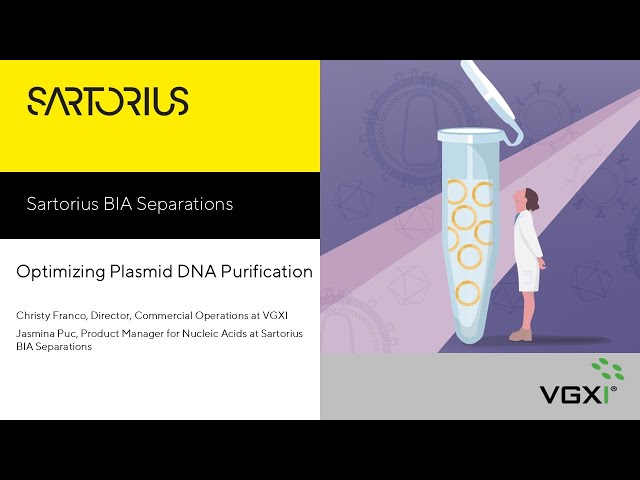
Optimizing Plasmid DNA Purification | Webinar with VGXI
Watch the webinar to learn how to:
- Enhance robustness and improve contaminant profiles, including genomic DNA and isoform homogeneity, with in-line/continuous lysis
- Remove host cell RNA and proteins while concentrating multiple pDNA isoforms (OC, SC, multimers) in the eluate
- Implement selective hydrophobic interaction chromatography (HIC) for purity analysis to monitor pDNA quality
- Ensure compliance with regulatory standards on pDNA quality
Related Posts
Why You Need Monoliths to Purify Your Biomolecules
CIM monoliths' large channels are easily accessible for large molecules and offer high binding capacities. Absence of dead-end pores renders mass transport relying exclusively on mass convection
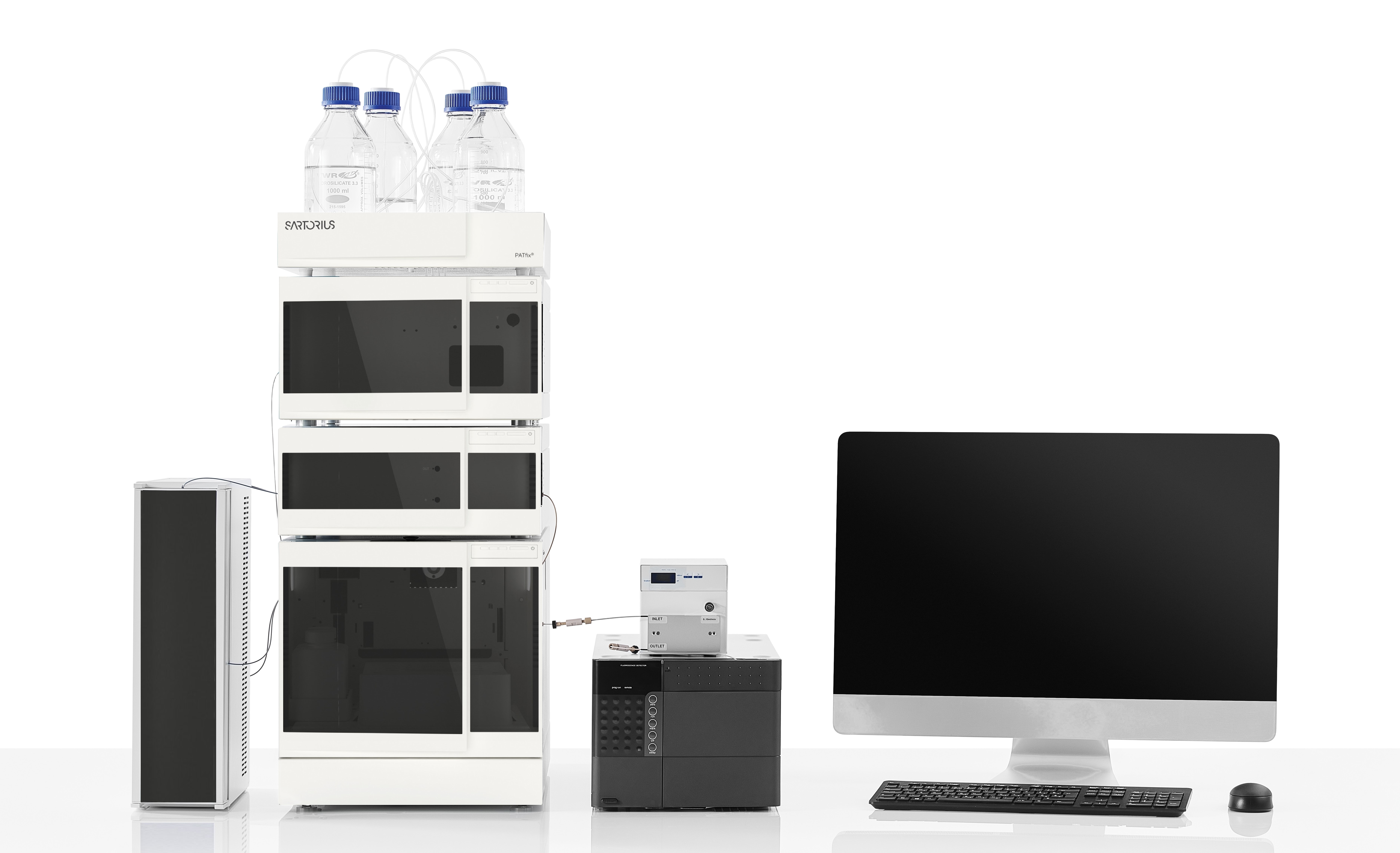
Optimizing the Plasmid Production Process | Role of Analytics
As the market for gene therapies continues to grow, the need for high quality plasmid (pDNA) is increasing. Many companies are looking to insource pDNA production and purification – usually...
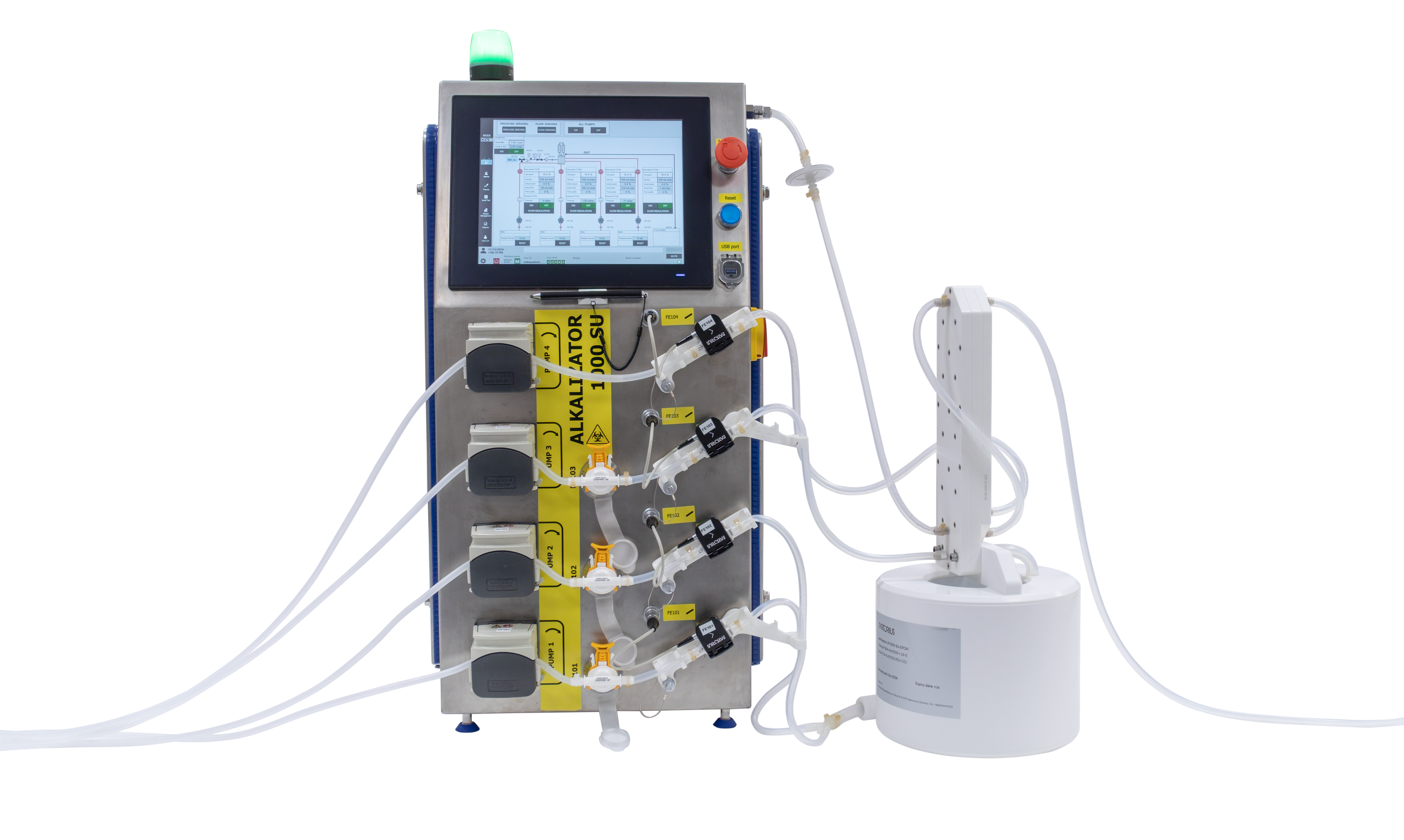
Scalable Alkaline Lysis for pDNA Production
Alkaline cell lysis is technologically challenging, especially when working with large volumes, thus it is important to keep precise control over different factors
Quick Start Methods for Plasmid DNA Isoform Monitoring
A quick guide to monitor and quantify pDNA isoforms during the process development and production for optimized mRNA or AAV manufacturing